Dapper With Stored Procedures: A Simple Enterprise Pattern
Learn how Dapper and SQL Server stored procedures can create a clean data access pattern for MVC applications without Entity Framework.
Read articleASP.NET Core
A practical guide to separating controllers, services, repositories, domain models, view models, utilities, and database scripts in an ASP.NET Core MVC application.
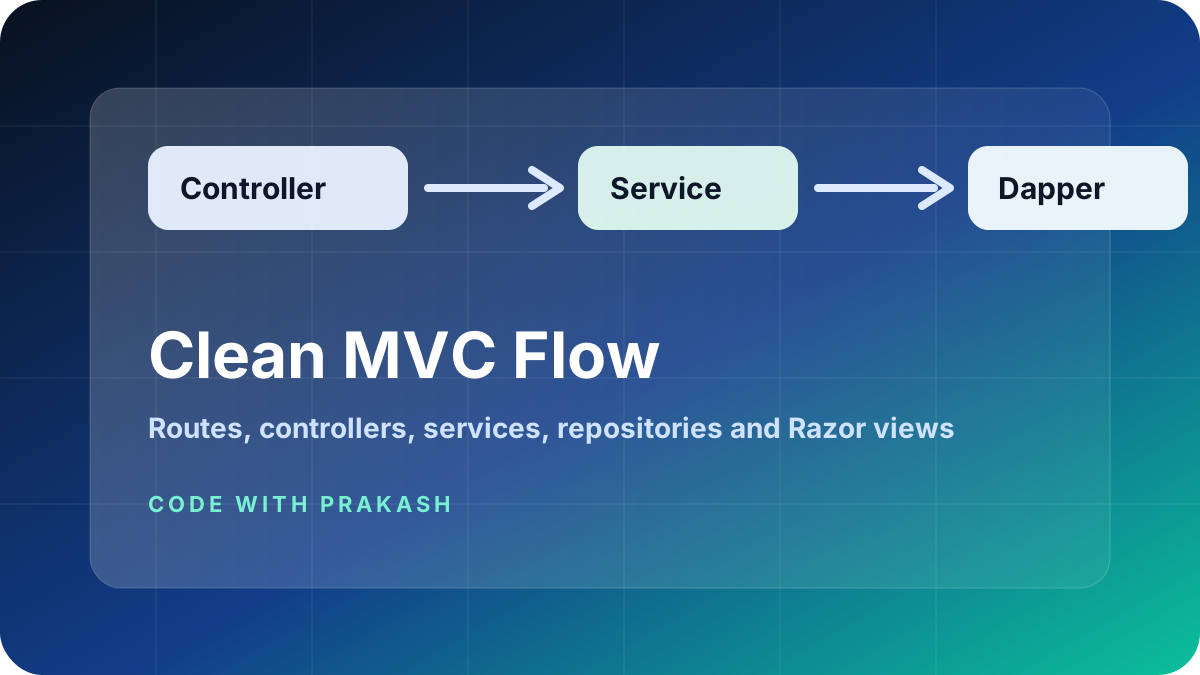
A small MVC project can survive with everything inside controllers, but a real business application quickly needs cleaner boundaries. Separating controllers, services, repositories, domain models, view models, and utility code keeps the project easier to test, debug, and extend.
Keep the web project focused on HTTP concerns: controllers, Razor views, filters, middleware, layouts, and static assets. Move business decisions into the service layer. Keep SQL access inside repositories and expose simple async methods to the services.
Avoid placing SQL, email sending, file upload decisions, and payment calculations directly inside controller actions. The code may work today, but it becomes difficult to maintain when modules such as clients, projects, invoices, and support tickets start sharing rules.
Pick one module such as Client Management and design it end to end with a model, form view model, repository, service, controller, Razor views, table script, and stored procedure. That exercise teaches the complete flow clearly.
Related Reading
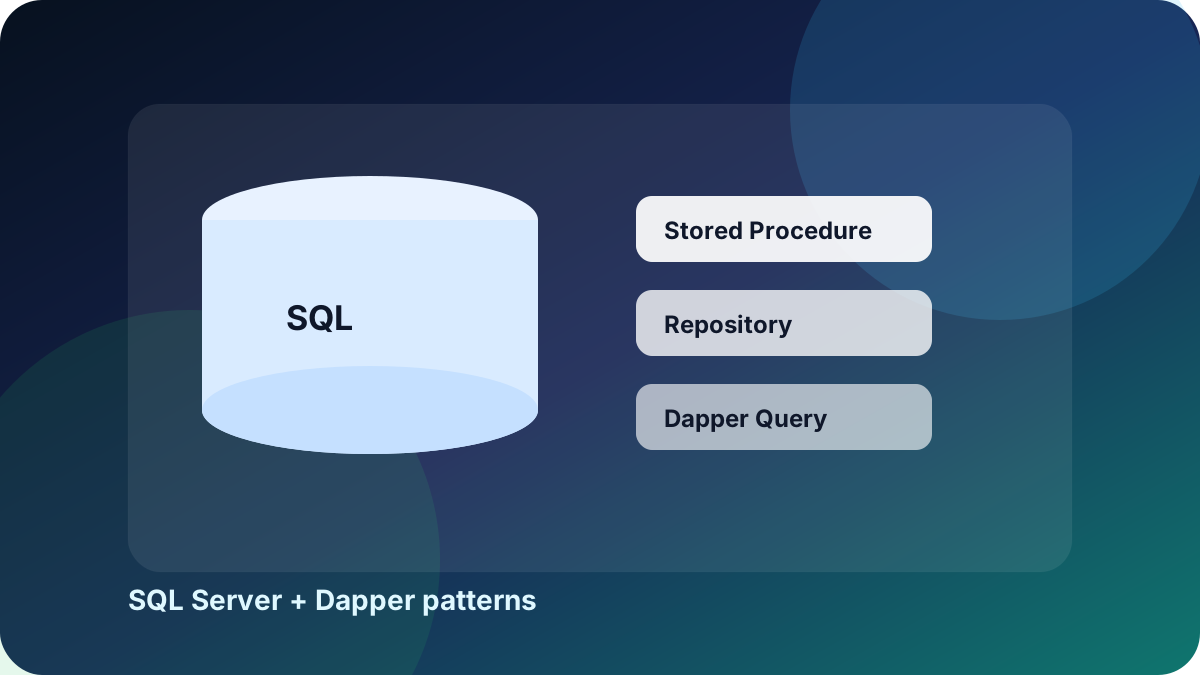
Learn how Dapper and SQL Server stored procedures can create a clean data access pattern for MVC applications without Entity Framework.
Read article
A clear project planning guide for students covering topic selection, modules, database design, documentation, screenshots, demo flow, and viva preparation.
Read article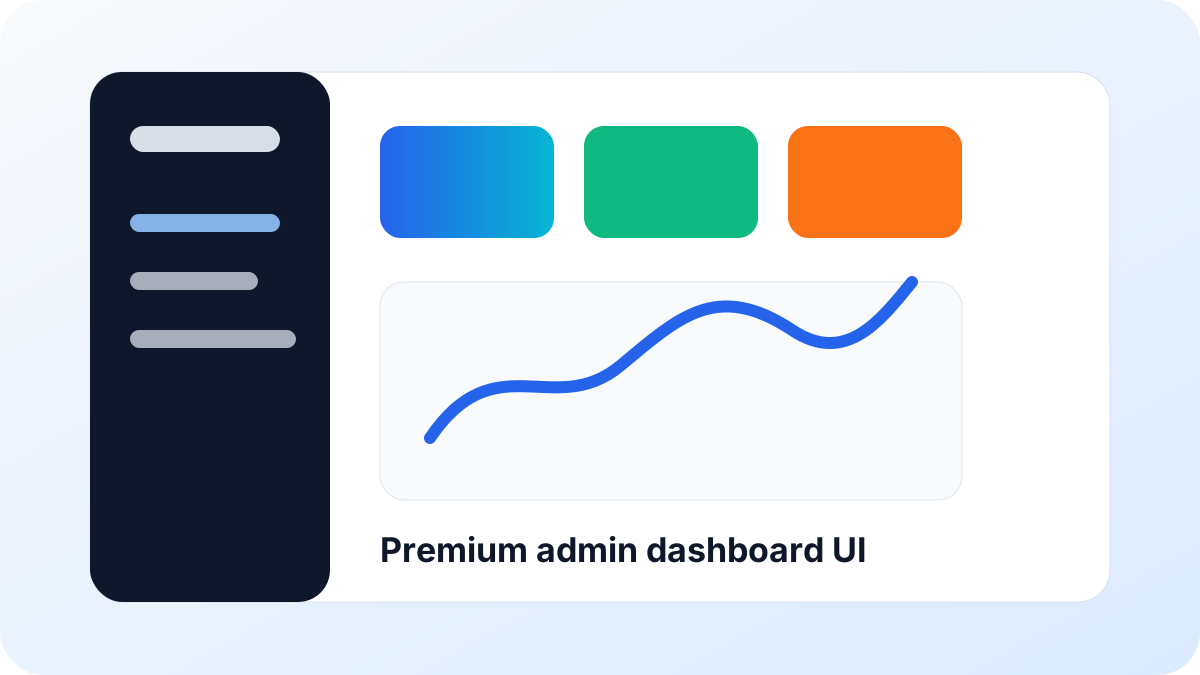
Practical UI guidance for building modern Bootstrap admin dashboards with strong spacing, readable cards, tables, charts, and responsive navigation.
Read article