How To Plan A Final Semester Project Without Confusion
A clear project planning guide for students covering topic selection, modules, database design, documentation, screenshots, demo flow, and viva preparation.
Read guideCODE WITH PRAKASH
Step-by-step tutorials, notes, and learning paths for ASP.NET Core MVC, SQL Server, Dapper, JavaScript, Bootstrap, APIs, dashboards, and real-world software architecture.
Learning System
Start from fundamentals and move toward practical MVC, SQL, API, dashboard, and deployment concepts.
Understand how authentication, validation, repositories, services, stored procedures, and UI workflows fit together.
Use concise notes, checklists, and examples to revise important topics quickly before interviews or project work.
Project Kits For Students
Use project kits as ethical learning references: setup guidance, source walkthrough, documentation support, viva preparation, and customization direction. The goal is understanding, not shortcut submission.
About
Code With Prakash is a personal learning space by Prakash Kumar Sahoo for students and developers who want to understand how full-stack web applications are actually planned, coded, tested, and maintained.
The content focuses on ASP.NET Core MVC, SQL Server, Dapper, JavaScript, jQuery, Bootstrap, APIs, dashboards, authentication, clean architecture, and practical project thinking without revealing confidential client or employer information.
Featured Learning
Roadmaps
Controllers, Razor views, models, validation, layout structure, dependency injection, authentication, and module organization.
Tables, relationships, stored procedures, joins, audit columns, Dapper repositories, reports, and performance-aware querying.
DOM handling, events, AJAX forms, validation, dynamic tables, Select2/DataTables, and practical dashboard interactions.
Responsive layouts, forms, cards, modals, tables, status badges, charts, empty states, and clean SaaS-style admin screens.
Technical Skills
ASP.NET Core, .NET Framework, ASP.NET MVC, Web API, RESTful APIs, C#, C++
SQL Server, MySQL, stored procedures, reporting queries, data modeling, and performance-aware design
JavaScript, jQuery, HTML, CSS, Bootstrap, responsive dashboards, and practical user workflows
Requirement analysis, development, testing, implementation, migration, deployment, and support
Web APIs, REST services, third-party integration concepts, request handling, response models, and practical debugging
Mentoring, troubleshooting, code standards, collaboration, performance optimization, and knowledge sharing
Technology Expertise
Experienced in HTML5, CSS, responsive layouts, clean markup, and Bootstrap-based UI implementation.
Experienced in .NET Core for building cross-platform applications, web APIs, dashboards, and cloud-ready business systems.
Skilled in JavaScript for building dynamic websites, interactive UI behavior, validation, and modern browser features.
Experienced in jQuery for simplifying JavaScript tasks, event handling, AJAX integration, and dashboard interactions.
Experienced in Bootstrap for responsive, mobile-first layouts, reusable components, and professional UI screens.
Experienced in SQL Server for relational data design, queries, stored procedures, reporting, and optimization.
Experienced in code-quality practices using SonarQube and linting to identify bugs, vulnerabilities, and maintainability issues.
Experienced in Google Analytics for tracking website traffic, user behavior, performance insights, and conversion signals.
Experience
Transforms business requirements into technical solutions and delivers dependable modules across enterprise systems.
Works across requirement analysis, development, testing, implementation, migration, deployment, and support.
Collaborates with developers, delivery managers, architects, technical leads, and testers while mentoring junior developers.
Mining, client management, customer feedback, e-commerce, digital marketing, IoT, and enterprise operations.
Leadership Responsibilities
Translate business needs into technical scope, modules, workflows, data structures, and delivery priorities.
Develop, test, maintain, and improve complex application code while keeping standards consistent across modules.
Guide junior developers, review implementation direction, and support clean coding practices across the team.
Debug production and development issues, resolve technical blockers, and protect system performance.
Improve software efficiency through better queries, focused refactoring, clean APIs, and reliable deployment practices.
Work with developers, delivery managers, architects, technical leads, testers, and clients to keep delivery aligned.
Career Journey
The career path reflects a move from strong individual contribution into module ownership, coordination, and delivery accountability while staying close to hands-on engineering.
Focused on analysis, implementation, maintenance, troubleshooting, and complex module delivery.
Builds enterprise modules, coordinates delivery inputs, supports developers, and keeps technical work aligned with business goals.
What You Can Learn
Understand routes, controllers, views, models, validation, layouts, partials, and clean page flow.
Concept -> Example -> PracticeLearn how admin, employee, and user-facing screens can be separated using authentication and authorization.
Concept -> Example -> PracticePractice turning real requirements into screens, statuses, forms, lists, actions, and reports.
Concept -> Example -> PracticeLearn normalized tables, audit columns, soft delete, stored procedures, and Dapper-based data access.
Concept -> Example -> PracticeBuild useful UI with cards, tables, filters, charts, summaries, and responsive Bootstrap layouts.
Concept -> Example -> PracticeUnderstand uploads, email settings, hosting, environment settings, and production handover checklists.
Concept -> Example -> PracticeLearning Method
Start with the why: what the feature does, where it fits, and which moving parts are involved.
Practice with ASP.NET Core MVC, Dapper, SQL Server, Bootstrap, jQuery, and clear folder structure.
Learn how the same idea applies to dashboards, portals, reports, uploads, authentication, and deployment.
Project Patterns
Forms, validation, list pages, details pages, and stored procedure-based operations.
Cards, charts, filters, tables, and role-friendly navigation.
Cookie authentication, role checks, secure redirects, and safer form handling.
Technology Stack
Featured Articles
A clear project planning guide for students covering topic selection, modules, database design, documentation, screenshots, demo flow, and viva preparation.
Read guide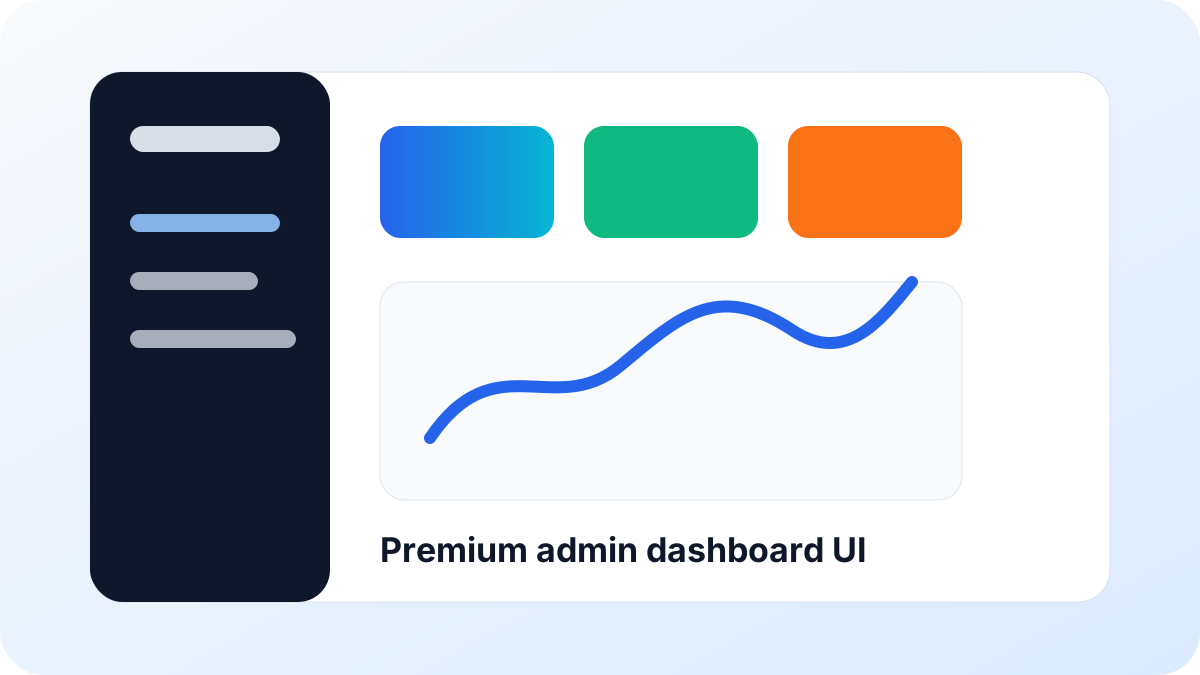
Practical UI guidance for building modern Bootstrap admin dashboards with strong spacing, readable cards, tables, charts, and responsive navigation.
Read guide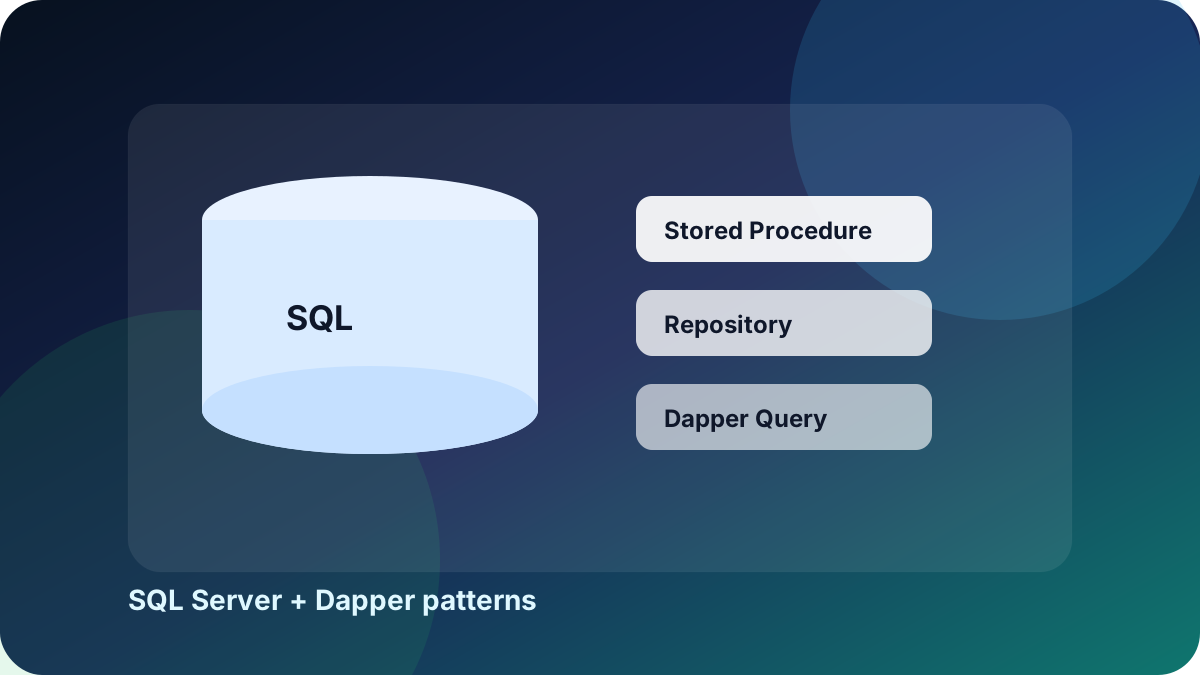
Learn how Dapper and SQL Server stored procedures can create a clean data access pattern for MVC applications without Entity Framework.
Read guideLearning Promise
Topics are organized so beginners can move from fundamentals to practical project structure without feeling lost.
Guided learningExamples focus on common application patterns such as CRUD, dashboards, authentication, uploads, reports, and APIs.
Hands-on practiceProject patterns are explained generically, without exposing private employer, client, or confidential business information.
Privacy-aware contentFAQ
You can learn ASP.NET Core MVC, SQL Server, Dapper, JavaScript, jQuery, Bootstrap, authentication, dashboards, APIs, and practical full-stack project structure.
No. Learning examples and project patterns are presented generically and do not disclose confidential employer, client, or private project information.
Yes. You can use the contact page to suggest ASP.NET Core, SQL Server, JavaScript, Bootstrap, dashboard, API, or architecture topics.
My main stack includes ASP.NET Core, .NET Framework, ASP.NET MVC, Web API, SQL Server, MySQL, JavaScript, jQuery, Bootstrap, REST APIs, and stored procedures.
The content is planned to move from beginner-friendly concepts into practical real-world patterns, so learners can grow step by step.
Permitted independent work can be discussed through the contact page when the scope, timeline, confidentiality, and expectations are clear.
Guidance is ethical when it is used for learning, customization, documentation support, and viva preparation. Students should follow college rules and should not submit work they do not understand or falsely claim.
Yes. The recommended approach is to adjust modules, fields, reports, screenshots, and documentation based on your college format and submission timeline.
Guidance can include synopsis direction, module list, database notes, screenshots checklist, setup flow, and explanation points for login, CRUD, reports, and SQL Server stored procedures.
Send your project title, college or department requirement, required modules, technology stack, submission date, documentation format, and whether you need setup, customization, or explanation support.
The goal is to help you understand the project flow clearly. Explanation can cover architecture, database tables, stored procedures, authentication, validation, dashboard screens, and module-by-module demo flow.
Why This Learning Style
The focus is practical understanding: clean architecture, database thinking, UI workflows, validation, security, and maintainable code.
Learning Support
Read practical lessons, quick notes, and architecture explanations for self-paced learning.
Best for studentsFollow generic project patterns to understand CRUD, authentication, dashboards, reports, and deployment.
Best for portfolio buildingFor permitted independent work, use the contact form to discuss websites, dashboards, or automation.
Best for clear scoped workContact
Use the contact form for tutorial suggestions, learning questions, collaboration ideas, or clearly scoped independent software work.